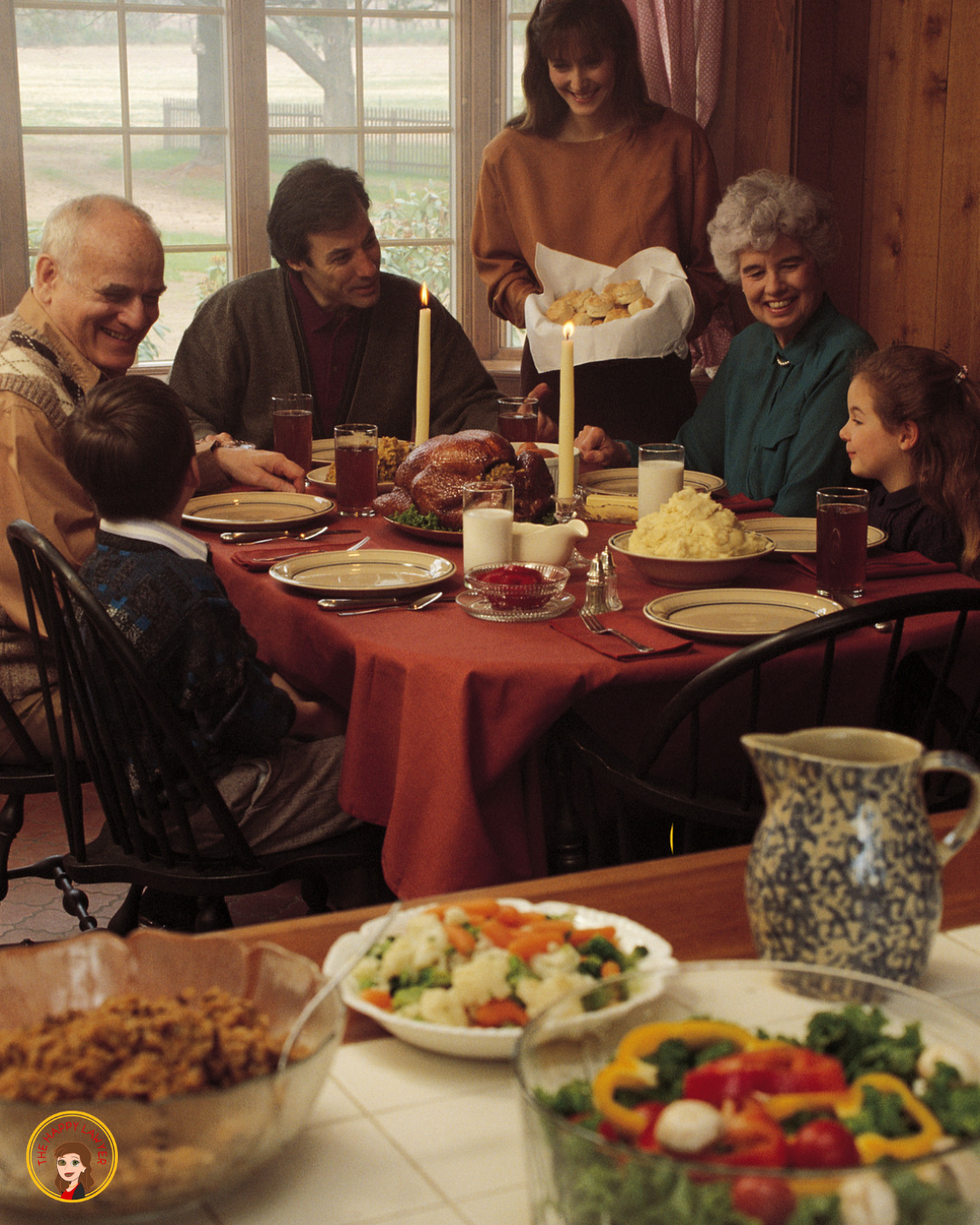
The Thanksgiving Conversation Your Family Needs to Have (But Nobody Wants to Start)
Thanksgiving is one of my favorite times of year. There's something special about gathering around the table with family, sharing a delicious meal, catching up on everyone's lives, and making memories together.
Of course, every family has its Thanksgiving traditions. Maybe someone always burns the rolls. Maybe Uncle Bob tells the same story for the twentieth year in a row. And there's almost always a friendly debate about who makes the best sweet potato casserole.
But there's one conversation that rarely makes it to the Thanksgiving table. What happens when Mom and Dad aren't able to take care of themselves anymore? Or the equally uncomfortable question: What happens when they're no longer here?
I know. Those aren't exactly the conversations you want to have while passing the pumpkin pie.
Start the Conversations Sooner
As an estate planning and elder law attorney in Garner, North Carolina, I've worked with families who wish they'd had these conversations sooner. Not because they didn't love each other, but because nobody knew how to bring up the subject.
And sometimes, by the time the family realizes they need answers, it's too late to ask the person who has them.
This Thanksgiving, I'd like to encourage you to consider giving your family a gift that doesn't come wrapped in a box: a little peace of mind.
Why Families Avoid Talking About the Future
Let's be fair. Nobody wants to spoil a happy family gathering by talking about illness, death, or money. For many older parents, bringing up estate planning feels like admitting they're getting older. Some worry that their children will think they're losing their independence. Others simply believe their family will figure everything out when the time comes.
Adult children have their own reasons for avoiding the conversation. They don't want to upset Mom. They don't want Dad to think they're interested in an inheritance. And they certainly don't want to be the person who turns Thanksgiving dinner into an uncomfortable family meeting.
So everyone stays quiet. The problem is that avoiding the conversation doesn't prevent difficult situations. It simply leaves families less prepared when those situations arise.
And here's something I remind my clients: Estate planning isn't about planning for death. It's about planning for the people you love and making life easier for them.
The Thanksgiving Table May Be the Perfect Place to Start
Think about it. Thanksgiving may be one of the few times each year when parents, adult children, siblings, and grandchildren are all together. It's a chance to reconnect, share stories, and talk about what matters most.
That doesn't mean you should pull out a stack of legal documents between the turkey and dessert. In fact, please don't! Instead, think of Thanksgiving as an opportunity to gently open the door.
Maybe you're talking about a family friend who recently moved into assisted living. Perhaps someone mentions how difficult it was to handle a relative's estate. Or maybe your parents are discussing their plans for retirement.
These everyday conversations can provide a natural opportunity to ask a thoughtful question. Something as simple as:
"Mom, have you and Dad talked about what you'd want us to do if either of you needed help someday?"
Or:
"I've been thinking about getting my own estate planning documents organized. Have you already taken care of yours?"
Notice that neither question asks how much money your parents have or who will inherit the house. That's intentional.
The goal isn't to discuss anyone's inheritance. It's to understand their wishes and make sure the family knows how to honor them.
Five Conversations Worth Having With Your Family

You don't have to tackle every topic in one sitting. In fact, you probably shouldn't.
But here are five conversations that can make an enormous difference when your family faces an unexpected challenge.
1. "If Something Happened Tomorrow, Would We Know Where to Find Your Important Documents?"
Imagine your mother is suddenly hospitalized and unable to communicate. You need to find her health care power of attorney, insurance information, and perhaps other important paperwork. Where would you look?
Would the documents be in a filing cabinet? A safe? A desk drawer? With an attorney. Does anyone know?
I've seen families spend precious time searching through boxes, closets, and stacks of paperwork because nobody knew where their parents kept their important documents. And sometimes, the documents exist, but the family can't access them.
You don't need to know every detail of your parents' finances. But someone they trust should know where to locate important information when needed.
A good Thanksgiving conversation starter might be:
"Mom, I don't need to know what's in your will. But if something happened, would I know where to find it?"
That one question can lead to an incredibly valuable conversation.
2. "Who Would Make Decisions for You If You Couldn't?"
This may be one of the most important questions your family ever discusses. Many people assume their spouse or adult children can automatically handle their financial affairs or make every medical decision if they're incapacitated. Unfortunately, it isn't always that simple.
In North Carolina, a properly executed financial power of attorney can authorize someone you choose to handle financial matters on your behalf. A health care power of attorney allows you to designate someone to make health care decisions when you lack the capacity to make or communicate those decisions.
Without appropriate planning, families may face legal restrictions, disagreements, or even the possibility of a court guardianship proceeding. And the person your family assumes should make decisions may not be the person you would have chosen.
Perhaps your oldest child lives across the country, while your youngest lives five minutes away. Maybe one child is excellent at managing finances, while another is better suited to communicating with doctors.
These are personal decisions.
A gentle way to start this conversation is:
"If you ever needed help managing things, who would you feel most comfortable having make decisions for you?"
You may be surprised by the answer.
3. "What Would You Want If You Needed More Care?"
This conversation is especially important for families with aging parents. Nobody likes to imagine needing help with everyday activities. But understanding your parents' preferences now can make future decisions much easier.
Would they prefer to remain at home as long as possible?
Would they consider assisted living if living independently became unsafe?
Have they thought about how they would pay for long-term care?
Do they have long-term care insurance?
These questions aren't about taking away anyone's independence. They're about understanding what matters to them.
As a Raleigh-area elder law attorney, I regularly help families navigate decisions about long-term care, Medicaid planning, and protecting assets while planning for future care needs.
One of the challenges families face is that they often don't begin exploring their options until a crisis occurs. By then, their choices may be more limited.
Starting the conversation early allows families to explore options while their loved ones can still participate in the decisions. You might begin by saying:
"Mom, I know you love your home. If you ever needed more help, what would be most important to you?"
Then listen.
Sometimes the most valuable part of this conversation isn't what you say. It's what you learn.
4. "Have You Made Your Wishes Clear So We Don't Have to Guess?"
Here's something many families don't realize. Even when family members love each other deeply, they may have very different ideas about what Mom or Dad would have wanted.
One child believes Mom would never want to leave her home. Another thinks assisted living would be safer. One sibling believes Dad wanted everything divided equally. Another remembers a conversation about leaving the family home to a particular child.
Without clear instructions, these differences can turn into disagreements. And those disagreements often happen when everyone is already grieving or under tremendous stress.
A thoughtfully prepared estate plan can help reduce uncertainty by documenting important decisions. Depending on your circumstances, that plan might include a will, trust, powers of attorney, health care directives, and other planning documents.
But legal documents are only part of the picture. Families also benefit from understanding the values behind those decisions.
Maybe your parents want to make sure a child with special needs is protected. Perhaps they want to keep a family property in the family. Or maybe their greatest concern is that their children remain close after they're gone.
A beautiful conversation starter is:
"What's most important to you when you think about the future of our family?"
That question can open the door to something much more meaningful than a discussion about money.
5. "Are There Family Stories or Traditions We Want to Preserve?"
Not every legacy conversation needs to involve legal documents. In fact, some of the most meaningful things we leave behind have nothing to do with our bank accounts.
Think about the traditions that make your family special. Who taught Grandma to make her famous dressing? Where did your parents meet? What's the story behind the old photograph hanging in the hallway? Why does everyone insist on using the same chipped serving platter every Thanksgiving?
These stories are part of your family's legacy. And they're worth preserving.
Consider asking your parents or grandparents to share a favorite childhood memory, explain a family tradition, or tell a story you've never heard. You could even record the conversation, with their permission.
Someday, those recordings and stories may become some of your family's most treasured possessions. Because leaving a legacy isn't just about what you leave to your family. It's also about what you leave with them.
What If Your Parents Don't Want to Talk About It?
Let's say you gently bring up estate planning, and your father immediately responds:
"I'm fine. I don't need to worry about that right now."
Or your mother says:
"I don't want to talk about anything depressing on Thanksgiving."
That's okay. Really.
You don't have to convince anyone to discuss their estate plan over dinner. Respect their feelings and let the subject rest.
You might simply say:
"I understand. I just want to make sure we know how to help if you ever need us. We can talk about it another time."
Then pass the mashed potatoes. Sometimes planting the seed is enough.
Your parents may think about the conversation later and bring it up themselves. The important thing is to approach the subject with love, patience, and respect, rather than pressure.
A Word to Adult Children: Start With Your Own Estate Plan

Here's a little secret. One of the easiest ways to encourage your parents to discuss estate planning is to talk about your own.
You might say:
"I've been working on getting my will and powers of attorney updated. It made me realize how important it is for all of us to have things organized."
This approach changes the conversation. Instead of making your parents feel like you're questioning their ability to manage their affairs, you're sharing something you're doing to protect your own family.
And estate planning isn't just for older adults. If you have minor children, you should be thinking about guardianship nominations. If you're married, you should understand how your property and beneficiary designations work. If you're single, you should consider who would make financial and medical decisions for you if you couldn't.
And if you already have an estate plan, it may be time to review it. Marriage, divorce, births, deaths, changes in assets, and moves to another state can all create reasons to revisit your documents.
Estate planning is not a one-time event. It's something that should grow and change along with your life.
Why This Conversation Matters for North Carolina Families
North Carolina has its own laws governing wills, trusts, powers of attorney, estate administration, and guardianship. For example, if someone dies without a valid will, North Carolina's intestate succession laws determine who inherits property that passes through the estate under those laws. Those rules may not match what the person would have wanted.
And even when someone has a will, that doesn't necessarily mean their estate will avoid probate. Likewise, having a will does not give someone authority to manage your finances while you're alive but incapacitated. That's why a comprehensive estate plan considers both what happens after death and what happens during life.
For families in Garner, Raleigh, Wake County, Johnston County, and throughout North Carolina, understanding these distinctions can help prevent confusion and unnecessary complications. The good news is that you don't have to figure everything out on your own.
An estate planning attorney can help you understand your options and develop a plan that reflects your wishes, your family circumstances, and your goals.
A Simple Thanksgiving Challenge
This year, I have a challenge for you. Before everyone heads home with their leftovers, take a few minutes to have one meaningful conversation with someone you love.
It doesn't have to be about money. It doesn't have to involve a stack of legal documents. And it certainly doesn't need to interrupt dessert.
Ask your parents what matters most to them as they get older. Ask your grandparents to tell you a story about their childhood. Ask your spouse whether your estate planning documents still reflect your wishes. Or, simply make a plan to sit down together after the holidays and talk about the future.
One conversation won't answer every question. But it can be the beginning of something important.
The Greatest Gift You Can Give Your Family Is Peace of Mind
When we think about Thanksgiving, we usually think about gratitude. We're thankful for our families, our homes, our health, and the people who make our lives meaningful. But gratitude can also inspire us to take action.
We can show our families how much we love them by making sure they aren't left guessing about our wishes during difficult times. We can give our children the comfort of knowing we've made important decisions. And we can give ourselves the peace of mind that comes from having a plan.
Planning to Protect Loved Ones
At The Happy Lawyer NC, I believe estate planning should be about more than preparing legal documents. It's about protecting the people you love, preserving what matters most, and helping your family face the future with confidence.
If this Thanksgiving inspires you to start a conversation about your family's future, I'd be honored to help you take the next step. Whether you need to create your first estate plan, update existing documents, or explore elder law and long-term care planning for aging parents, we're here to help.
Because the best family legacy isn't just what you leave behind. It's the love, clarity, and peace of mind you leave with the people who matter most.
Ready to Start?
Ready to start planning? We offer a complimentary Discovery Call. Our complimentary Discovery Call is a brief, friendly conversation with a member of our team to learn a little about your situation, answer general questions about our services, and help you understand your next steps.
We'll discuss what you're hoping to accomplish, explain how our process works, and determine which type of appointment may be right for you. To schedule, contact us at (919) 336-4219. Or, you can schedule here:
Legal Disclaimer: This article is for general educational and informational purposes only and does not constitute legal advice. North Carolina laws and individual circumstances vary. Reading this article does not establish an attorney-client relationship. Consult a qualified North Carolina attorney for advice about your specific situation.