Can't Find Your Parents' Estate Documents?

Do You Know Where Your Parents’ Estate Planning Documents Are?
Why Finding Them After a Crisis May Be Too Late
Imagine getting a phone call in the middle of the night. Your mother has fallen and is being rushed to the hospital. She's unable to make medical decisions, and the doctors are asking who has the legal authority to speak for her.
You know she signed estate planning documents years ago. You remember her mentioning a power of attorney and a living will. But there's just one problem. You have absolutely no idea where those documents are.
Are they in a filing cabinet? A safe deposit box? Somewhere in the spare bedroom? Did her attorney keep copies? And which attorney prepared them?
Suddenly, what seemed like a small detail becomes an urgent problem.
As a North Carolina estate planning and elder law attorney, I've seen how stressful it can be for families when important documents aren't readily available. Often, the family isn't dealing with a lack of planning. The parents actually did the responsible thing and had documents prepared. The problem is that nobody knows where to find them.
And when a medical emergency, cognitive decline, or death occurs, that missing information can create delays, confusion, unnecessary expenses, and additional stress during an already difficult time. The good news? This is one of the easiest estate planning problems to prevent.
Having an estate plan isn't enough if nobody can find it
Many parents believe they've taken care of everything because they signed a will, established a trust, or completed powers of attorney. They carefully placed the documents in a folder, locked them away for safekeeping, and went about their lives.
But years pass. They move. They change banks. Their attorney retires. They purchase a new home. Their adult children move away. And nobody ever has a conversation about where the documents are stored.
Here's something I regularly remind families: Estate planning isn't just about preparing legal documents. It's about making sure those documents can actually do their jobs when they're needed.
A perfectly drafted health care power of attorney won't be nearly as helpful during an emergency if nobody knows it exists or can locate a copy. A will tucked away in an unknown location can complicate estate administration. And a trust that nobody knows about can leave surviving family members wondering what they're supposed to do next.
The five estate planning documents every adult child should know how to find

You don't necessarily need to know every detail of your parents' estate plan. In fact, your parents may prefer to keep certain financial and inheritance decisions private.
But there are several important documents whose existence and location you should understand.
1. Durable Financial Power of Attorney
A durable financial power of attorney allows a person your parent has chosen to handle financial and legal matters on their behalf, within the authority granted by the document. This might include paying bills, managing bank accounts, handling insurance matters, or dealing with real estate.
Imagine your father suffers a stroke and can no longer manage his finances. The mortgage is due, bills are piling up, and someone needs to communicate with his financial institutions. Without an effective power of attorney or other appropriate legal authority, the family may need to seek court-appointed guardianship to handle certain matters.
In North Carolina, a properly drafted durable power of attorney can help families avoid that situation. However, simply knowing a power of attorney exists isn't enough. The person designated to serve should know where to find it and how to access it.
2. Health Care Power of Attorney
A health care power of attorney allows your parent to designate someone to make health care decisions if your parent cannot make or communicate those decisions as provided by North Carolina law.
This document becomes especially important during a medical emergency. Think about what happens when a parent is unconscious or unable to communicate. Doctors may need decisions about treatment, surgery, rehabilitation, or other medical care.
Having a designated health care agent can help make those decisions more orderly and consistent with your parent's wishes.
Your parent's health care agent should know that they've been appointed and have access to the document. It's also helpful for the appropriate medical providers to have a copy on file.
3. Living Will or Advance Directive
A living will, also called an advance directive for a natural death in North Carolina, allows your parent to express certain wishes regarding life-prolonging measures under the circumstances specified by law. It's a deeply personal document that can provide valuable guidance to both health care providers and loved ones.
Unfortunately, families sometimes discover during a medical crisis that they don't know whether their parent completed one. That uncertainty can lead to painful disagreements. Having the document available and discussing your parent's wishes in advance can help reduce confusion and give family members greater confidence that they're honoring those wishes.
4. Last Will and Testament
A will provides instructions for distributing probate assets after death, names the person nominated to administer the estate, and may address other important matters. In North Carolina, the original signed will can be particularly important.
Under North Carolina General Statutes, Chapter 31, probate of a will is subject to statutory requirements. When an original will cannot be located, proving a lost or destroyed will may become substantially more complicated.
Imagine knowing that your mother prepared a will but being unable to find the original after she passes away. Now the family may have to determine whether a copy can be admitted to probate, whether additional evidence is needed, or whether the estate must be administered without a proven will. That's not a situation you want your family to face.
Important tip: Your parents should know where their original wills are stored, and the person nominated as executor should know how to locate them when necessary.
5. Revocable Living Trust
If your parents established a revocable living trust, knowing where the trust documents are located is equally important. A properly funded revocable trust can help assets pass outside probate and provide a framework for managing trust assets during incapacity and after death. But the successor trustee needs to know the trust exists, where the documents are located, and how to identify assets owned by the trust.
I've found that many families understand that Mom and Dad have a trust, but they don't know who the successor trustee is or where the trust paperwork is kept. That can cause unnecessary delays at exactly the wrong time.
And remember, a trust doesn't automatically control every asset simply because it was signed. Proper funding and beneficiary coordination are important parts of the planning process.
Where should your parents keep their estate planning documents?
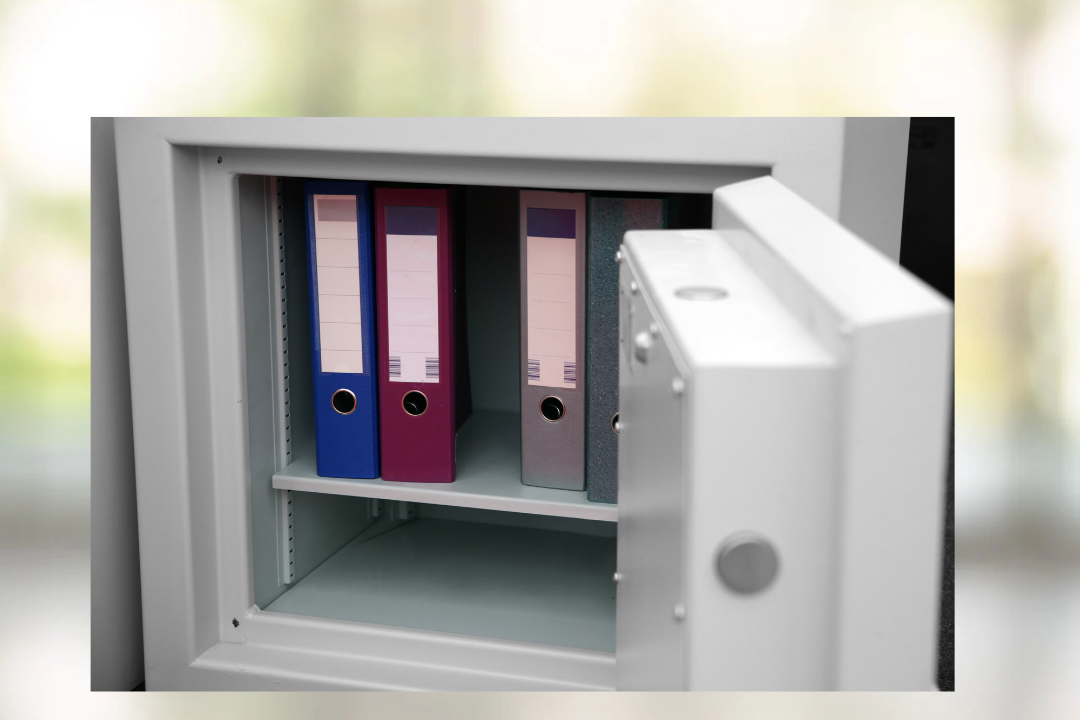
There isn't one perfect storage solution for every family. The goal is to protect important originals while making sure the right people can access them when needed.
A few common options include:
A secure home filing cabinet or fire-resistant safe. This can be a practical option, provided a trusted person knows where the documents are and how to access them.
An attorney's office. Some attorneys retain original documents or electronic copies, while others provide the originals to their clients. Your parents should confirm their attorney's storage practices.
The Clerk of Superior Court. North Carolina law allows a person to deposit an original paper will with the Clerk of Superior Court for safekeeping under N.C. Gen. Stat. § 31-11. This is an option worth discussing, particularly when secure storage at home is difficult.
Secure electronic storage. Digital copies can be useful for quick reference and sharing, particularly for health care documents and powers of attorney. Under N.C. Gen. Stat. § 32C-1-106(d), a photocopy or electronically transmitted copy of a financial power of attorney generally has the same effect as the original, except as otherwise provided by statute.
One thing I generally discourage is placing every important document in a safe deposit box without making arrangements for access. If your parent becomes incapacitated or dies, getting into that box may be more complicated than expected.
And remember, digital copies are not always a substitute for original documents, particularly when dealing with probate.
A North Carolina resource many families don't know about
Here's something that may surprise you. North Carolina has an Advance Health Care Directive Registry maintained by the Secretary of State. Your parents can voluntarily register certain advance health care directives, including health care powers of attorney and living wills.
Once registered, the documents can be accessed through the state's system using the appropriate credentials or registration card. The registry also provides QR-code access through its newer cards. This can be especially helpful when an emergency happens away from home.
You can learn more through the North Carolina Secretary of State's Advance Health Care Directive Registry. Registering is voluntary, and it doesn't replace the importance of telling your health care agent and loved ones about your wishes.
The conversation adult children should have with their parents now

I know what some of you are thinking. My parents don't like talking about this stuff. Or perhaps: Mom thinks I'm trying to take over her finances.
I understand. These conversations can feel uncomfortable, especially when parents have always been independent and private.
But asking where important documents are located isn't the same thing as asking to control your parents' lives. It's about being prepared to help when they need you.
Instead of opening the conversation with questions about money or inheritance, try something simple:
"Mom, Dad, I hope we never have an emergency, but if something happened and you needed my help, would I know where to find your important documents? I don't need to know everything that's in them. I just want to make sure I could help you if you needed me."
That's a conversation about love and preparation, not control. And sometimes, framing it that way makes all the difference.
Seven things every family should do before a crisis

If you're helping aging parents in Garner, Raleigh, or elsewhere in Wake County, here are seven practical steps you can take together.
Identify the documents. Find out whether your parents have wills, trusts, financial powers of attorney, health care powers of attorney, and living wills.
Confirm where the originals are stored. Write down the location and any instructions needed to retrieve them.
Identify the people in charge. Make sure the designated agents, executors, and successor trustees know about their appointments.
Keep attorney contact information available. Record the name, telephone number, and office location of the attorney who prepared the documents.
Make appropriate copies accessible. Health care agents and other authorized individuals should have access to the documents they'll need.
Review the documents for changes. A move, death, divorce, family disagreement, or change in health can make it important to revisit an estate plan.
Create an emergency information sheet. Include important contacts, document locations, medical information, and instructions for accessing essential records. Store it securely and share it only with trusted individuals.
These steps don't require your parents to surrender control over their affairs. They simply help ensure that the planning they've already completed will be useful when the time comes.
What if your parents can't find their estate planning documents?
First, don't panic. Start by contacting the attorney who prepared the documents. The law office may have copies or information about where the originals were delivered.
Next, check likely storage locations and determine whether any documents were deposited with the Clerk of Superior Court. If the documents cannot be found, your parents may need to execute new ones.
Here's where timing becomes especially important. If your parent still has the necessary legal capacity, an attorney can evaluate the situation and help prepare appropriate replacement documents. But if your parent has already lost the legal capacity required to execute them, signing new documents may no longer be an option.
At that point, the family may need to explore other legal arrangements, potentially including guardianship. That's why I encourage families not to wait until an emergency to locate and review their estate planning documents.
A little preparation today can make a difficult tomorrow easier

At Mackintosh Law, PLLC, we help families throughout Garner, Raleigh, Clayton, and surrounding North Carolina communities prepare for life's unexpected challenges. As a Garner estate planning attorney and Raleigh-area elder law attorney, I believe estate planning should do more than create a stack of legal paperwork.
It should give families clarity, confidence, and peace of mind. Whether you're helping aging parents organize their documents or wondering whether your own estate plan is still up to date, having the right information available can make an enormous difference.
Because when a crisis happens, your family should be focused on caring for one another—not searching through drawers, closets, and filing cabinets for paperwork. The best time to find those documents is before anyone needs them.
Your next step: Get organized before an emergency
Not sure where to begin? Download our free Family Estate Planning Document Locator & Emergency Information Checklist to help you and your parents identify important documents, record where they're stored, and make sure the right people know whom to contact.
And if your parents' documents are missing, outdated, or no longer reflect their wishes, we're here to help. Schedule a free 15-minute discovery call with Mackintosh Law, PLLC, and take the first step toward protecting your family's peace of mind. Call us at (919) 336-4219 to schedule your Free Discovery Call or use the button below to schedule:
Mackintosh Law, PLLC | The Happy Lawyer NC 1201 Aversboro Road, Suite C Garner, NC 27529
Disclaimer: This article is provided for general educational purposes only and does not constitute legal advice or establish an attorney-client relationship. North Carolina estate planning and guardianship laws are fact-specific. Consult a qualified North Carolina attorney regarding your individual circumstances.