5 Legal Documents Every North Carolina Senior Should Have

When people hear the words estate planning, they usually think about one thing: a will.
Who gets the house? Who gets the money? Who is going to handle everything after I'm gone?
Those are important questions, but for seniors, some of the most important estate planning documents have very little to do with death. They are designed to help you while you're alive.
What happens if you have a stroke and can't pay your bills for a few months? Who can talk to your doctors if you're unable to communicate? Who can handle your bank account if you're hospitalized? Who knows what kind of medical care you would, or would not, want? And what happens if you need help managing your affairs as you get older?
Those are questions I would much rather help a family answer around my conference table than during a crisis.
The good news is that a well-designed estate plan can answer many of them ahead of time. Here are five legal documents every North Carolina senior should consider having—and why simply having a stack of documents in a drawer isn't always enough.
1. Durable Financial Power of Attorney
If I could convince every adult to have one estate planning document in place before a crisis, a good Durable Financial Power of Attorney would be near the top of my list.
A Financial Power of Attorney allows you to choose someone, called your agent or attorney in fact, to handle financial and legal matters on your behalf. Depending upon the authority you give that person, your agent may be able to pay bills, manage bank accounts, deal with insurance companies, handle real estate, work with tax professionals, manage investments, and take care of many of the financial details of your life.
Under North Carolina's Uniform Power of Attorney Act, a power of attorney created under the statute is durable unless the document specifically provides that it terminates upon the principal's incapacity. In other words, it can continue to work when you need it most: if you become unable to manage your own affairs.
That last part is incredibly important.
An unexpected crisis

Imagine that you have a stroke and spend several weeks in the hospital followed by rehabilitation. The mortgage still needs to be paid. Insurance paperwork still arrives. Taxes don't stop being due. Someone may need to communicate with your bank or deal with property.
If you have properly planned ahead, the person you chose may be able to step in and help.
Without adequate planning, your family may face a much more complicated situation, potentially including the need for court involvement to obtain authority to manage your affairs.
The document isn't the only important part
I often tell clients that choosing the right agent is every bit as important as signing the Power of Attorney itself.
Your agent should be trustworthy, responsible, organized, and willing to act when needed. The person who loves you the most isn't necessarily the person who should be handling your finances.
You should also name backup agents. Life changes. People move, become ill, die, or simply reach a point where they can no longer serve.
A Power of Attorney you signed years ago deserves another look if the people, relationships, assets, or circumstances in your life have changed.
2. Health Care Power of Attorney
Your Financial Power of Attorney handles money and property.
Your Health Care Power of Attorney addresses a completely different question:
Who do you trust to make health care decisions for you if you cannot make or communicate those decisions yourself?
North Carolina law allows an adult who is able to make and communicate health care decisions to execute a Health Care Power of Attorney appointing another person to act as a health care agent.
For many families, this becomes one of the most important documents in the entire estate plan.
Think about the people you would trust to speak for you in a hospital room. Does that person know what matters to you? Do they know how you feel about certain treatments? Would they be able to ask questions and advocate for you? Could they make a difficult decision without being overwhelmed by what other family members want?
These aren't always easy questions.
But they are much easier to discuss now than at two o'clock in the morning in an emergency room.
Talk to the person you choose

Signing the document is only part of the planning. Your health care agent needs to know that you've chosen them. More importantly, they need to understand you.
What does quality of life mean to you? Would you be comfortable living in a wheelchair? What if you could no longer communicate verbally but could still recognize your family? How would you feel about long-term artificial ventilation? What matters most to you if doctors cannot restore you to the life you have now?
There isn't one correct answer to those questions. The goal is to make sure the person speaking for you understands your answer.
3. Living Will
A Health Care Power of Attorney and a Living Will are related, but they are not the same document. Your Health Care Power of Attorney identifies who can make health care decisions for you. Your Living Will, sometimes called an Advance Directive for a Natural Death, communicates your wishes regarding life-prolonging measures under certain circumstances.
North Carolina law specifically recognizes a person's ability to express a desire that life not be prolonged by life-prolonging measures when the statutory requirements and circumstances are met. This document can be an extraordinary gift to your family.
The impossible question
Without guidance from you, the people who love you may find themselves trying to answer an impossible question:
“What would Mom want us to do?”
One child may believe you would want every possible treatment. Another may remember a conversation you had ten years ago and believe the opposite. Both may genuinely believe they're honoring your wishes.
A Living Will gives your family and medical providers clearer guidance. It also opens the door to a conversation that is just as important as the document itself.
I encourage clients to talk with the people they've chosen as health care agents. You don't have to anticipate every possible medical scenario. You simply want them to understand your values well enough that, if the day comes, they can make decisions based on what you would want rather than what they would choose for themselves.
4. Last Will and Testament
Now we get to the document everyone expected to see on the list. Yes, you still need a Will.
A Last Will and Testament directs what happens to property that passes through your probate estate after your death. It can also nominate the person you want to administer your estate and establish trusts or other provisions for beneficiaries when appropriate.
North Carolina has specific statutory requirements governing wills, including requirements for an attested written will.
Your will does not control everything
But here's something that surprises many people: Your Will does not necessarily control everything you own.
Assets with beneficiary designations generally pass according to those beneficiary designations. Jointly owned assets may pass according to the form of ownership. Assets properly titled in a trust are generally governed by the trust.
That's why estate planning isn't simply about writing a Will. It's about making sure all the pieces work together.
You can have a beautifully drafted Will and still end up with an estate plan that doesn't accomplish what you intended because an old beneficiary designation or ownership arrangement sends an asset somewhere else.
And please don't forget to update it

If your Will was written when your children were in elementary school and they're now approaching retirement themselves, we should probably talk.
The same goes if you've divorced, remarried, lost a spouse, had a falling out with the person you named as executor, acquired significant assets, sold property specifically mentioned in your Will, welcomed new grandchildren, or simply changed your mind.
Estate planning isn't something you finish once and never look at again. Your documents should grow and change with your life.
5. A Trust—When It Makes Sense
Here's where I'm going to disagree with some of those internet lists. Not every senior needs a trust. But many seniors can benefit from one.
A Revocable Living Trust, for example, can provide a structure for managing assets during your lifetime, provide continuity if you become incapacitated, and allow properly funded trust assets to pass according to the trust's instructions rather than through the probate process.
The words properly funded matter. Creating a trust and then never transferring assets into it is a little like buying a beautiful safe and leaving everything valuable sitting on the kitchen counter. The trust can only control the assets that actually become subject to it.
For other seniors, particularly those thinking about long-term care and asset protection, a different type of trust may be appropriate. Those trusts involve very different rules and tradeoffs from a revocable living trust, which is why choosing a trust shouldn't begin with, “My neighbor told me I need one.”
Why you want a trust
It should begin with:
“What am I trying to accomplish?”
Avoid probate?
Make things easier for children?
Protect an inheritance for a beneficiary?
Plan for incapacity?
Address long-term care concerns?
Protect a beneficiary who has special needs?
Keep assets in the family?
Those are goals. A trust is simply one tool we may—or may not—use to accomplish them.
Having the Documents Isn't Enough
This may be the most important part of this entire article. I occasionally meet people who proudly tell me, “Oh, I already have all of that.” Wonderful. Then I ask when the documents were signed. “1998.” That's when we need to keep talking.
An estate plan isn't a collection of papers. It's a plan. Your documents need to reflect your current family, your current assets, your current wishes, and current law.
Your agents and executors should still be people you trust and who are capable of serving. Your beneficiary designations should coordinate with the rest of your plan. If you have a trust, it should actually be funded. And the people who may need these documents should know where to find them.
An outdated plan can sometimes create almost as many headaches as having no plan at all.
Estate Planning Is Really About Staying in Control
I wish we could change the way people think about estate planning, especially as they get older. It isn't about preparing to die.
It's about making decisions while they're still yours to make.
You choose who can help with your finances.
You choose who can speak for you medically.
You explain what quality of life means to you.
You decide who should receive what you've worked for.
And you decide how much help you want to give your family when the day comes that they have to step in.
That's not giving up control. That's keeping it.
If you're a North Carolina senior, or you have parents who are getting older, take some time to look at the estate planning documents already in place. Don't just ask whether they exist. Ask whether they still reflect the life, people, assets, and wishes they are supposed to protect.
Because the best time to discover that an estate plan needs updating is around the kitchen table. Not in the hospital.
Not Sure Whether Your Legal Toolbox Is Ready? We Can Help.
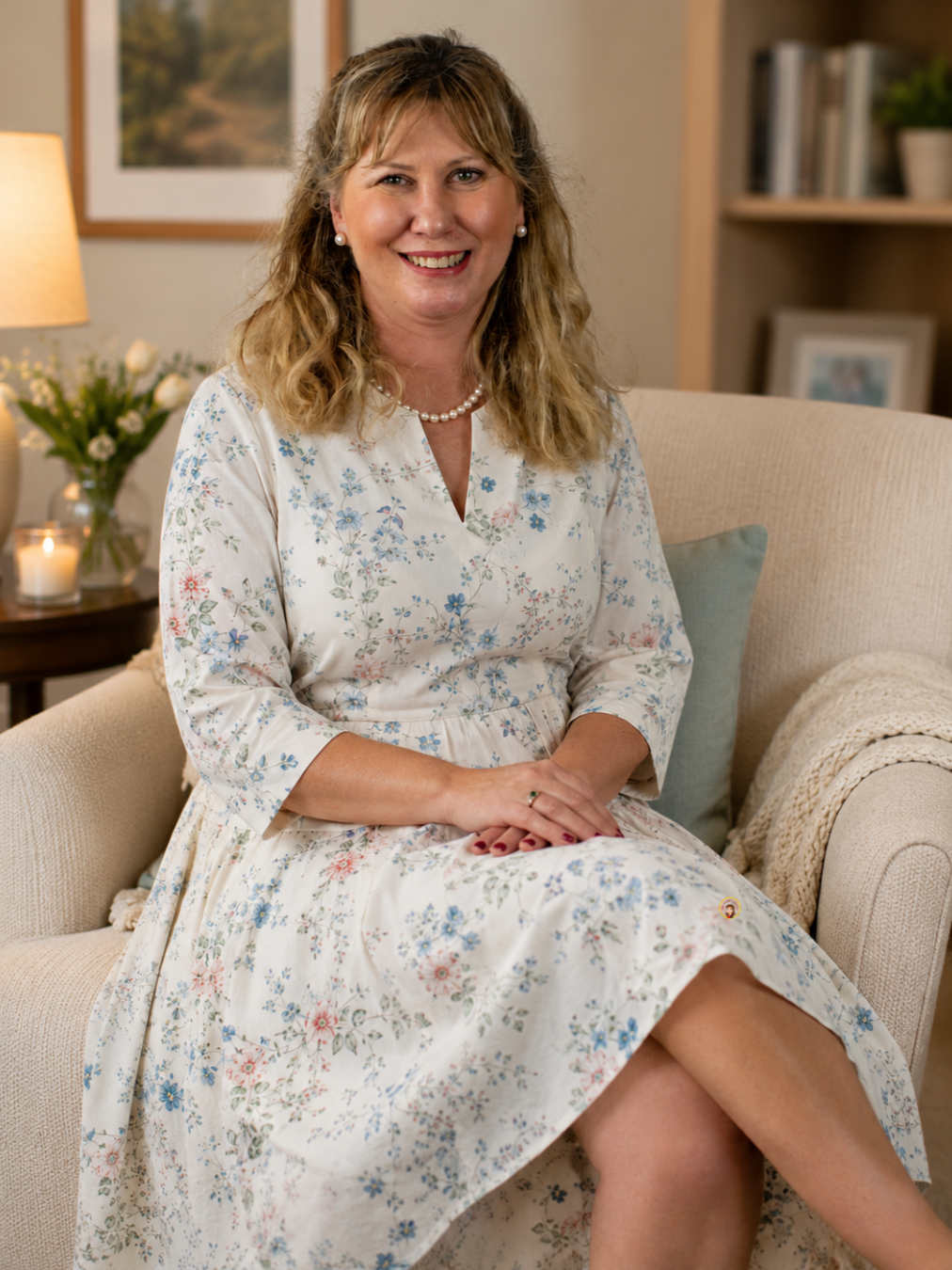
Maybe you already have all five documents. Maybe you have a Will you signed 15 years ago and aren't quite sure what else you have. Or maybe you've been meaning to get your estate planning done but haven't known where to start.
You don't have to figure it out on your own.
At Mackintosh Law, PLLC, we help North Carolina seniors and their families create estate plans that reflect their lives today and prepare for what may come tomorrow. We can review the documents you already have, identify gaps in your plan, talk through your concerns about incapacity or long-term care, and help you determine which legal tools actually make sense for you.
Because good estate planning isn't about having the most documents. It's about having the right documents, with the right people, working together in the right way.
If it has been several years since you reviewed your estate plan, or you're not sure whether your current plan still does what you think it does, let's talk.
Schedule a free 15-minute discovery call with Mackintosh Law, PLLC to find out how we can help you get your legal toolbox in order.