Caregiver Burnout: Legal Planning That Can Actually Help

Caregiver Burnout Is Real
Every day, family caregivers across North Carolina are quietly carrying an enormous responsibility. They are driving loved ones to doctor's appointments, managing medications, preparing meals, coordinating care, and trying to balance their own jobs, marriages, children, and health concerns. Most don't think of themselves as heroes. They're simply doing what needs to be done for someone they love.
But even the most devoted caregiver can reach a breaking point.
Many people assume caregiver burnout comes from the physical demands of caregiving. The doctor appointments. The late-night phone calls. The worry that never seems to go away.
Those things certainly contribute. But in my experience as both an elder law attorney and the daughter of a caregiver, much of the stress comes from something else entirely: trying to navigate medical, financial, and legal decisions without a roadmap.
My Story
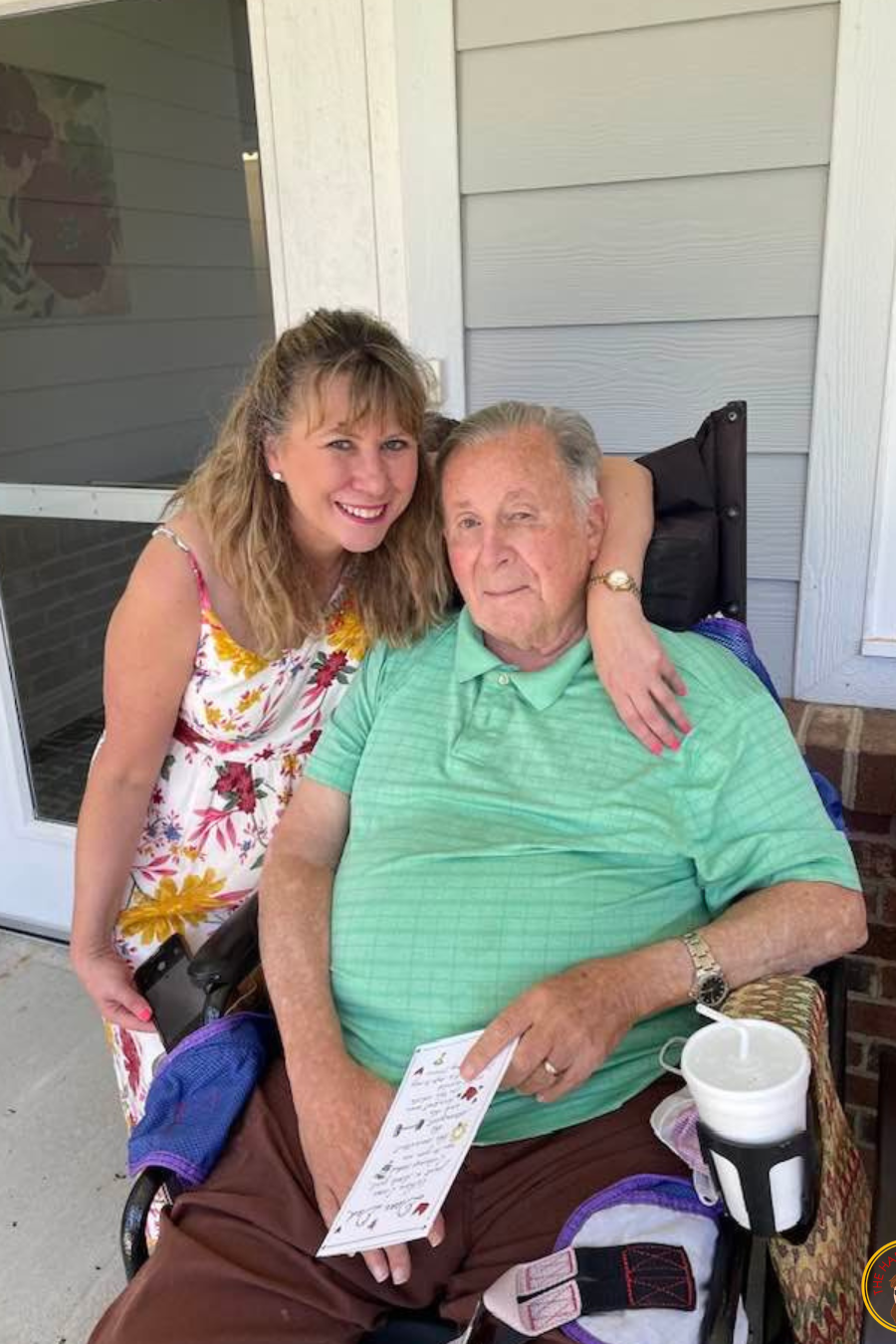
More than twenty years ago, my dad suffered a stroke that left him paralyzed on one side and unable to speak. Overnight, my mom's role changed. She was no longer simply a wife. She became a caregiver, advocate, scheduler, decision-maker, and protector.
Over the years, I watched my parents navigate home care, medical challenges, rehabilitation, and eventually nursing home care. I saw the sacrifices my mom made every day. I also witnessed the emotional toll that caregiving can take on someone you love.
That experience helped shape who I am today and ultimately led me to practice elder law. It taught me that while legal planning cannot eliminate the challenges of aging, illness, or caregiving, it can remove many of the obstacles that make an already difficult situation feel overwhelming.
Today, I regularly meet families who are experiencing many of the same challenges my family faced. Some arrive exhausted. Some are frustrated. Many are carrying far more responsibility than they ever imagined.
Often, the problem isn't a lack of love or willingness to help. The problem is a lack of planning.
What Caregiver Burnout Really Looks Like
When people hear the term "caregiver burnout," they often picture someone who is physically exhausted from providing care. While physical exhaustion is certainly part of the equation, burnout often shows up in other ways.
It looks like the daughter who is trying to manage her mother's finances during her lunch break at work. It looks like the husband who hasn't had a full night's sleep in months because he's worried his wife may fall during the night. It looks like the adult son who spends hours on the phone with insurance companies, doctors, and financial institutions, only to be told he doesn't have the authority to make decisions.
It looks like constant worry. Constant responsibility. And the feeling that no matter how much you do, there is always something else demanding your attention.
Susan’s Story

I recently met a woman I'll call Susan.
Susan had always been close to her mother, Margaret. When Margaret's memory began to decline, Susan stepped in to help. At first, it was simple. She would drive her mother to appointments, pick up prescriptions, and help sort through the mail.
Then Margaret suffered a fall and was hospitalized. Suddenly, Susan was being asked questions she couldn't answer.
The hospital wanted someone to make medical decisions. The bank wouldn't discuss Margaret's accounts. Bills continued arriving, but Susan couldn't access funds to pay them. A rehabilitation facility needed paperwork she couldn't locate.
What should have been a time spent focusing on her mother's recovery became a frustrating scramble to solve legal problems. Susan wasn't burned out because she didn't love her mother.
She was burned out because she was trying to serve as caregiver, advocate, financial manager, and crisis coordinator without the legal tools she needed.
Unfortunately, Susan's story is far more common than most people realize.
A Durable Financial Power of Attorney Can Prevent Unnecessary Stress
One of the most important legal documents for any family is a Durable Financial Power of Attorney. This document allows a trusted person to manage financial and legal matters if you become unable to do so yourself.
Without a valid power of attorney, caregivers often find themselves facing unnecessary obstacles. Banks may refuse to provide information. Financial institutions may deny access to accounts. Important bills may go unpaid.
Family members may be forced to pursue a guardianship proceeding through the court simply to obtain authority to act. Guardianship can be expensive, time-consuming, and emotionally draining. In many cases, it can be avoided with proper planning.
Looking back on my own family's experience, I cannot imagine how much more difficult things would have been if my mom had been forced to fight with financial institutions while caring for my dad. Caregiving already requires tremendous emotional energy. The last thing families need is a legal obstacle course.
A properly drafted Financial Power of Attorney gives caregivers the authority they need to help when help is needed most. More importantly, it allows them to focus on caring for their loved one rather than fighting paperwork.
Healthcare Planning Creates Clarity During a Crisis
Medical crises are stressful enough without uncertainty. When a loved one is hospitalized, families are often asked to make important healthcare decisions very quickly.
Who should speak with the doctors?
Who has authority to consent to treatment?
What would your loved one want if they could speak for themselves?
These questions become much easier when proper planning is in place.
A Healthcare Power of Attorney allows you to name the person you trust to make medical decisions if you cannot communicate your wishes.
A Living Will provides guidance about your preferences regarding life-prolonging measures under certain circumstances.
HIPAA Authorizations ensure medical providers can communicate with the people you choose.
These documents do not eliminate difficult decisions. What they provide is clarity.
I have seen families torn apart because no one knew what Mom or Dad wanted. I have also seen families navigate incredibly difficult situations with confidence because those wishes had been discussed and documented ahead of time.
For caregivers, clarity can be one of the greatest gifts of all.
Long-Term Care Planning Can Reduce Future Crises

One of the most difficult decisions families face is determining when additional care is needed. Many caregivers promise their loved ones they will never place them in a nursing home. The promise comes from a place of love. But reality is often more complicated.
As my dad's care needs increased, my family eventually faced decisions about the level of care he required. Those conversations were emotional. They were difficult. Like many families, we wanted what was best for him.
I often see caregivers carrying tremendous guilt when they realize they cannot do everything on their own. The truth is that accepting help is not failure. Sometimes the most loving decision is recognizing when additional support is necessary.
Long-term care planning can help families understand available options before they find themselves in the middle of a crisis. Whether that means in-home care, assisted living, memory care, or nursing home care, planning ahead allows families to make thoughtful decisions rather than rushed ones.
Trust Planning Can Make Caregiving Easier
Many people think trusts are only for the wealthy. In reality, a properly funded revocable living trust can be an incredibly valuable tool for families.
A trust can help ensure assets are managed efficiently if incapacity occurs. The successor trustee can step in to manage trust assets without court involvement.
Bills can continue to be paid. Property can continue to be managed. Financial affairs can continue with less disruption.
I often explain to clients that a trust is not just about what happens after death. It is also about making life easier during periods of incapacity.
For caregivers who are already juggling countless responsibilities, having a clear management structure in place can significantly reduce stress.
Family Conflict Often Contributes to Burnout
Many caregivers tell me that caregiving itself is not their biggest challenge. Family dynamics are.
This was true for Susan as well. While Susan was handling appointments, medications, paperwork, and daily care, her brother lived several states away. He rarely attended appointments. He wasn't helping with daily caregiving. Yet he questioned nearly every decision Susan made.
Why are you spending money on that?
Mom wouldn't want that.
I think you're making the wrong choice.
Over time, Susan became emotionally exhausted. She felt like she was doing all the work while also defending every decision. This situation is incredibly common.
Good planning cannot eliminate every disagreement, but it can reduce uncertainty.
When decision-makers are clearly identified, wishes are documented, and responsibilities are defined, families have a roadmap to follow. The result is often less conflict and less stress for everyone involved.
The Family That Planned Ahead
Not every story ends like Susan's. I also worked with a family I'll call David and Robert.
After Robert was diagnosed with Parkinson's disease, he took time to update his legal planning. He met with his family. He discussed his wishes. He completed updated powers of attorney and organized important information.
Years later, when Robert's condition worsened, David stepped into a caregiving role. The experience was still difficult. He worried about his father. He attended appointments. He made sacrifices.
But he wasn't spending hours fighting with banks or searching for paperwork. He wasn't arguing with family members about what his father would have wanted.
He had authority. He had guidance. He had a plan.
Caregiving was still hard. The legal side wasn't.
The Greatest Gift You Can Give Your Caregiver

When people think about estate planning, they often focus on what they are leaving behind.
Who will inherit the house?
Who will receive certain assets?
How will property be distributed?
Those questions are important. But there is another question worth asking.
If someone had to step in and care for you tomorrow, how difficult would that be?
Would they know your wishes?
Would they know where important documents are located?
Would they have the legal authority they need?
Would they understand your financial situation?
Would they know what type of care you would want?
In many ways, estate planning and elder law planning are not just gifts for you. They are gifts for the people who love you.
Final Thoughts
When I meet exhausted caregivers in my office, I don't just see clients. I see reflections of families like my own.
I remember watching my mom carry the weight of caregiving. I remember the worry, the responsibility, and the countless decisions that had to be made along the way.
Caregiving is one of the greatest acts of love a person can offer. But caregivers should not have to carry the burden alone.
The right legal planning will not eliminate every challenge. It will not prevent illness, aging, or difficult decisions.
What it can do is provide clarity when life feels uncertain, authority when decisions must be made, and peace of mind when caregivers need it most.
If you would like to create a plan that protects both you and the people who may one day care for you, we invite you to schedule a Discovery Call. Together, we can help ensure your family has the tools they need before a crisis occurs. Call us at (919) 336-4219 or click below to schedule a call.